Are House Buyers Put Off by Japanese Knotweed? A Quick Guide for Homeowners in 2026
Japanese knotweed remains one of the biggest concerns for homeowners and buyers in the UK property market. If discovered during a survey or house viewing, it can delay sales, reduce property value, and complicate mortgage approval.
But while Japanese knotweed can sound alarming, discovering it on your property does not automatically mean your house is impossible to sell.
In this quick guide, we explain what Japanese knotweed is, why buyers worry about it, how it affects property sales in 2026, and what you can do if you discover it in your garden.
What Is Japanese Knotweed?
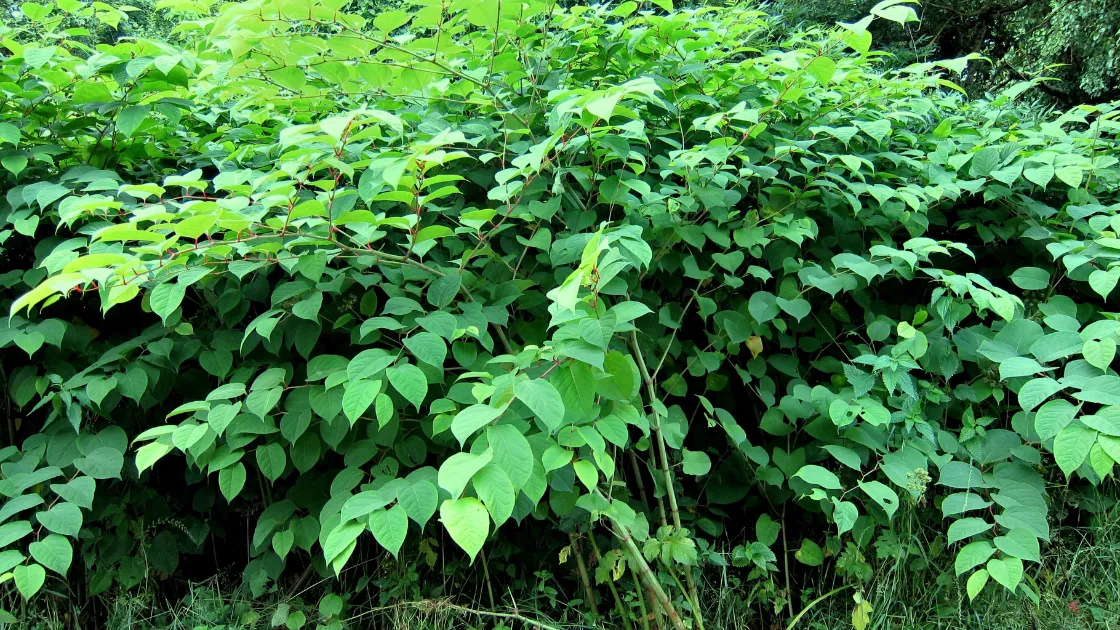
Japanese knotweed, also known as Fallopia japonica, is a fast-growing invasive plant originally introduced to the UK in the 19th century.
It is recognisable by its:
- Bamboo-like stems
- Large green heart-shaped leaves
- Creamy-white flowers during late summer
It has several distinct features that change with the seasons:
- Spring: Look for reddish-purple, asparagus-like shoots emerging from the ground. These grow rapidly, sometimes several inches per day.
- Summer: The plant forms dense thickets of tall, hollow, bamboo-like stems (canes) that are green with purple speckles. Its leaves are large, heart- or spade-shaped.
- Late Summer/Early Autumn: Clusters of creamy-white flowers appear.
- Winter: The leaves fall and the canes die back, leaving brittle, brown, hollow stems.
While it may appear harmless at first, Japanese knotweed spreads aggressively underground through an extensive root system called rhizomes.
This rhizome system is the true problem. It can spread up to 7 metres horizontally and 3 metres deep from the visible plant. More importantly, the plant can regenerate from a rhizome fragment as small as a fingernail. This is why simply cutting the plant back or using over-the-counter weedkillers is ineffective and can even worsen the problem by creating more fragments in the soil.
If left untreated, it can:
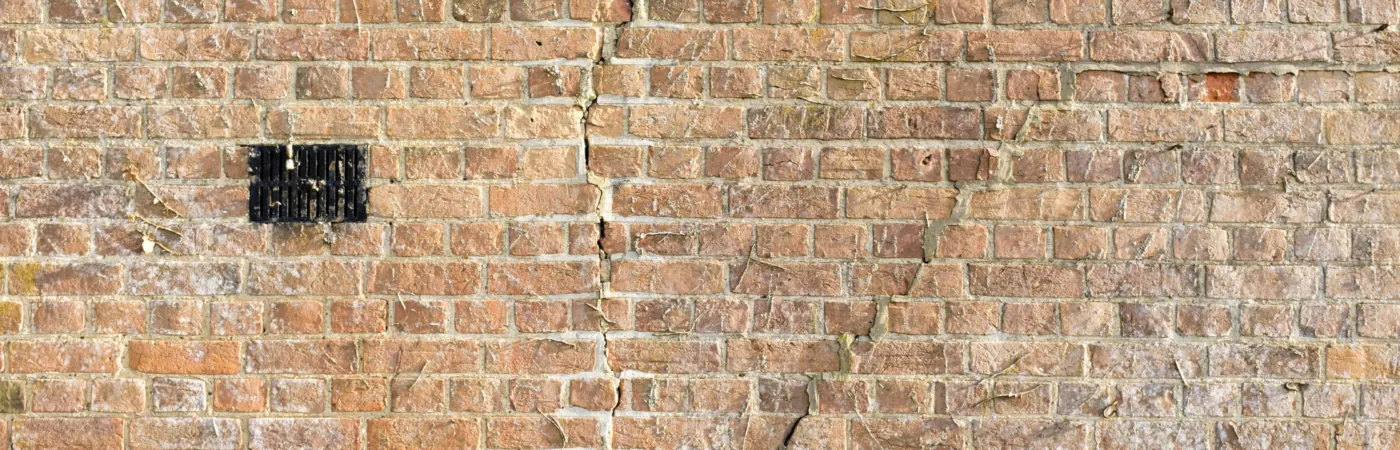
- Exploit weaknesses in structures: It can grow through tarmac, concrete, and brickwork, damaging patios, driveways, and retaining walls.
- Damage building foundations: While it cannot grow through solid concrete, it can exploit existing cracks and joints, potentially causing significant structural issues over time.
- Block underground services: The rhizomes can invade and block drains and other pipework.
- Spread to neighbouring properties: If left unchecked, it will cross boundaries, potentially leading to legal disputes.
- Complicate property sales and mortgages: Its presence is a major red flag for lenders and buyers.
Because of its invasive nature, Japanese knotweed is considered one of the UK’s most problematic plant species.
Are Buyers Put Off by Japanese Knotweed?
In many cases, yes, Japanese knotweed can make buyers nervous.
Modern buyers are far more aware of the risks associated with invasive plants, and many will hesitate to proceed with a purchase if knotweed is discovered during surveys or searches.
The presence of Japanese knotweed can affect:
- Buyer confidence
- Mortgage approval
- Property value
- Sale timescales
Some buyers may completely withdraw from the purchase, while others may renegotiate the asking price to account for treatment costs and future risks.
However, this does not mean your house cannot sell.
In 2026, many lenders and buyers are more willing to proceed if there is a professional treatment plan and insurance-backed guarantee already in place.
Does Japanese Knotweed Reduce Property Value?
Japanese knotweed can reduce a property’s value, particularly if:
- The infestation is severe
- Structural damage has occurred
- The plant has spread close to buildings
- No treatment plan exists
In some cases, homes affected by Japanese knotweed may sell for less than similar unaffected properties.
The exact impact depends on:
- The size of the infestation
- How close it is to the property
- Whether professional treatment has started
- Mortgage lender requirements
Early identification and treatment can significantly reduce the impact on your home’s value.
Can You Get a Mortgage on a Property With Japanese Knotweed?
Yes, it is still possible to get a mortgage on a property affected by Japanese knotweed, but lenders will usually want reassurance that the issue is under control.
Lenders are cautious because the property itself is the security for their loan. An uncontrolled Japanese knotweed infestation poses a direct risk to that security. It can devalue the property, make it difficult to sell in the future, and even cause costly structural damage. A professional treatment plan with an insurance-backed guarantee transfers that risk away from the lender and the buyer, giving them the confidence to proceed.
Most mortgage providers now require:
- A professional survey
- A specialist treatment plan
- An insurance-backed guarantee
- Ongoing monitoring
If no action has been taken, some lenders may refuse to lend until treatment begins.
This is why it is important to address the problem as early as possible if you plan to sell your home.
Is Japanese Knotweed Illegal?
Japanese knotweed itself is not illegal to have on your property, but there are strict legal responsibilities surrounding its management and disposal.
Under UK law:
- You must not allow it to spread into neighbouring land
- You must dispose of it correctly
- You must not dump contaminated soil or cuttings
Improper disposal can lead to legal consequences, fines, or prosecution.
Your Legal Duty to Disclose When Selling
When you sell your property, you are legally required to state whether it is affected by Japanese knotweed on the Law Society’s TA6 Property Information Form.
Answering ‘No’ when you know or suspect it is present can lead to a misrepresentation claim from the buyer, which could result in legal action and significant financial penalties after the sale is complete.
It is always best to be transparent and have a professional management plan in place.
Because of this, many homeowners choose professional removal companies to ensure the plant is handled safely and legally.
How to Get Rid of Japanese Knotweed
Treating Japanese knotweed can take time, and complete eradication is rarely immediate.
The most effective treatment options in 2026 include:
- Professional herbicide treatment programmes
- Excavation and removal
- Root barrier systems
- Ongoing monitoring plans
Professional Treatment
Specialist companies offer several approved methods. The most common is a multi-year herbicide treatment plan, where a potent, systemic herbicide is applied during the growing season. This is absorbed by the plant and carried down to the rhizomes. Other methods include stem injection, which is useful in sensitive areas, or full excavation for situations requiring immediate removal. Crucially, professionals provide the mortgage-compliant documentation, including an insurance-backed guarantee (IBG), that buyers and lenders require.
- Accredited treatment plans
- Insurance-backed guarantees
- Mortgage lender-approved documentation
Having professional treatment in place can make buyers feel more comfortable proceeding with a purchase.
Can You Remove Japanese Knotweed Yourself?
Attempting to remove Japanese knotweed yourself is strongly discouraged and fraught with risk. Not only are consumer-grade herbicides often too weak to kill the deep rhizome system, but improper handling can make the problem worse. Digging the plant up without professional expertise often breaks the rhizomes, creating hundreds of new plants and spreading the infestation. Furthermore, Japanese knotweed is classified as ‘controlled waste’, meaning it cannot be put in regular household or garden waste bins. Disposing of it incorrectly can lead to prosecution.
The underground rhizome system can spread several metres beyond visible growth, meaning incomplete treatment often leads to regrowth.
If you choose to treat it yourself:
- Start treatment as early as possible
- Never compost cuttings
- Avoid disturbing contaminated soil
- Follow waste disposal regulations carefully
For homeowners planning to sell, professional treatment is usually the safest and most effective option.
How Serious Is Japanese Knotweed?
The severity of Japanese knotweed depends on:
- The size of the infestation
- How close it is to buildings
- Whether structural damage exists
- How long it has been growing
In many cases, if caught early, the issue can be controlled successfully without major long-term damage.
The key is acting quickly and avoiding panic. Japanese knotweed is manageable when handled correctly.
What Should You Do if You’re Selling a House With Japanese Knotweed?
If you are selling a property affected by Japanese knotweed, honesty and preparation are essential.
You should:
- Arrange a professional assessment
- Start treatment before listing the property
- Keep all treatment records
- Inform buyers when required
- Work with experienced property professionals
Having documentation and guarantees ready can help reassure buyers and reduce delays during conveyancing.
Can You Sell a House Quickly With Japanese Knotweed?
Yes, although traditional buyers and lenders may be cautious, there are still options available if you need to sell quickly.
Professional property buying companies such as Quick Sell Your House can often purchase properties affected by Japanese knotweed without the delays commonly associated with traditional sales.
This can be particularly helpful if:
- Your sale has fallen through
- Buyers have withdrawn
- You need a fast completion
- Mortgage issues are causing delays
Japanese knotweed can absolutely concern buyers, but it does not mean your property is unsellable.
In 2026, lenders and buyers are becoming more familiar with professional treatment plans and long-term management solutions. The most important thing is identifying the issue early and taking action quickly.
By working with qualified specialists and being transparent during the selling process, many homeowners successfully sell properties affected by Japanese knotweed every year.
Key Takeaways for Sellers
To successfully sell a property with Japanese knotweed, remember these key points:
- Act Fast: Do not ignore the problem. Early identification and action are crucial to minimizing cost and impact.
- Be Honest: You are legally required to disclose knotweed. Transparency, backed by professional documentation, builds trust with buyers.
- Hire Professionals: A specialist-led treatment plan with an insurance-backed guarantee is essential to satisfy mortgage lenders and reassure buyers.
- Don’t Panic: Discovering Japanese knotweed is not a deal-breaker. With the right approach, you can successfully manage the issue and complete your sale.
Quick Guide: Japanese Knotweed and Selling Your House
Can Japanese knotweed put buyers off?
Yes, it can reduce buyer confidence and affect mortgage approval, but professional treatment plans can help reassure buyers.
Does Japanese knotweed reduce house value?
Potentially. The impact depends on the severity of the infestation and whether treatment is already underway.
Is Japanese knotweed illegal?
It is not illegal to have on your property, but it is illegal to allow it to spread or dispose of it incorrectly.
Can you sell a house with Japanese knotweed?
Yes. Many properties affected by Japanese knotweed are successfully sold every year.
Should you use a specialist treatment company?
In most cases, yes, especially if you plan to sell your property in the near future.